The Drama Triangle and Friendship
When Connection Becomes Dysfunction
One of the most powerful conversations I have had with my friend since reconnecting happened not in a counselling room or around a formal table, but in the pool. We were talking about family dynamics, responsibility, guilt, and the complicated pull of wanting to help someone while also feeling drained by them. I shared the idea of the Drama Triangle: Victim, Rescuer, and Persecutor. It helped us make sense of a pattern she was experiencing with her mother-in-law, who is disabled and can understandably need support, but who also sometimes moves into a victim position and then becomes critical or attacking when someone steps in to rescue. Suddenly the pattern had language.
The Drama Triangle is so easy to enter because each role can feel justified. The Victim says, "I have no power." The Rescuer says, "I must fix this." The Persecutor says, "This is your fault." In families and friendships, we can move between these roles without even realising it.
What was helpful for my friend was seeing that compassion does not require rescue. She could care deeply, offer practical support, and still refuse to take responsibility for another adult's emotions or choices. That distinction was freeing. It allowed her to step back without becoming cold, and to stay kind without becoming trapped. This is where our own growth in self-awareness has mattered. Instead of simply reacting, we could pause and ask, "What role am I being invited into here?" Friendship becomes a safe place to notice patterns, name them gently, and choose something healthier.
The Drama Triangle is uncomfortable because it is so recognisable. Most of us can identify times when we have felt powerless, rushed in to fix someone else, or become critical because we felt overwhelmed. In friendship, these roles can appear subtly, especially when we care deeply and want to reduce another person’s pain. What made the poolside conversation with my friend so meaningful was not that we used a psychological model, but that the model gave language to something she was already feeling. She wanted to help, but she was beginning to sense the cost of carrying responsibility that did not belong to her. Naming the Rescuer role helped compassion become clearer, not colder. The Victim role can be tempting when life feels genuinely hard. The Rescuer role can feel loving because it looks active and generous. The Persecutor role can feel powerful because blame gives us somewhere to put our frustration. Yet all three roles keep the relationship stuck because they reduce people to positions rather than inviting growth.
Healthy friendship asks for something different. It allows someone to be in pain without deciding they are helpless. It offers support without taking over. It tells the truth without shaming. That balance is not always easy, especially for those of us who have confused love with over-functioning.
I am learning that one of the kindest questions we can ask is, “What is mine to carry, and what is not?” This question does not make us less caring. It helps us care in a way that remains honest. It protects the dignity of the other person by allowing them agency, and it protects our own wellbeing by keeping us from becoming consumed. When friendship steps out of drama, it becomes more spacious. There is room for empathy and responsibility, kindness and boundaries, listening and truth. That is the kind of connection I want to keep practising.
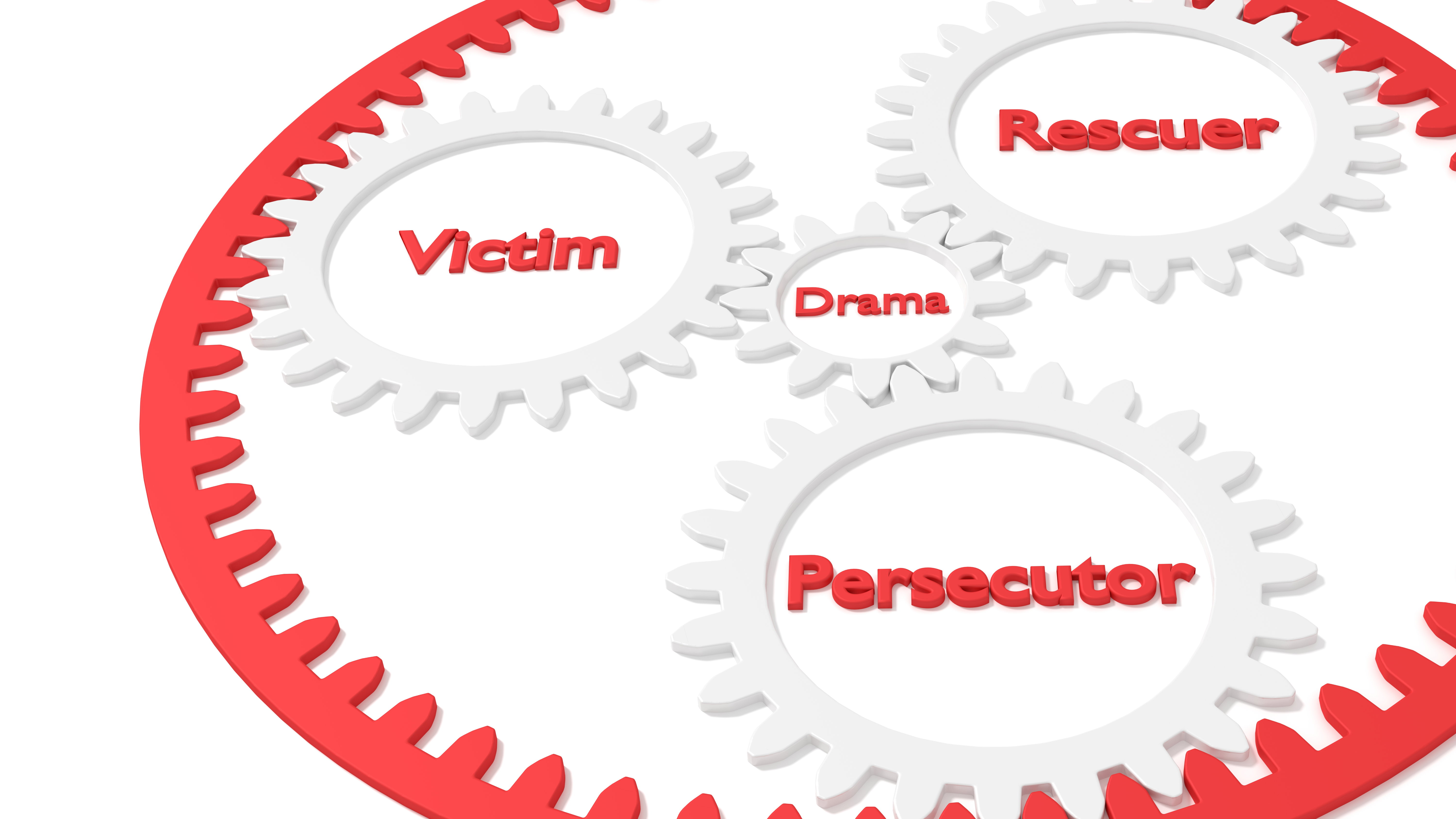
Reflection Question: Which Drama Triangle role do you most often get pulled into: Victim, Rescuer, or Persecutor, and what would it look like to step out of that role with kindness?
Next week, we will explore Blog 7: Escaping the Drama Triangle.